Where to Put a Litter Box: Selecting the Best Litter Box Placement
Where you place your cat's litter box can significantly impact how consistently your cat uses it. A poorly chosen location can lead to accidents, stress, or litter box avoidance, while the right spot supports your cat's natural instincts and makes cleanup easier.
Cats prefer quiet, accessible areas where they feel safe and secure. If their litter box is in a noisy, hard-to-reach, or high-traffic location, they may feel too vulnerable to use it. A well-placed litter box encourages healthy bathroom habits and reduces the likelihood of accidents elsewhere in your home.
Pro tip: Prioritize your cat's comfort over aesthetics when choosing a litter box location. A visible box in the right spot is better than a hidden box in a stressful location.
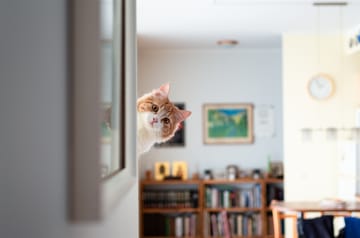
Quick answer: Where should you put a litter box?
Place litter boxes in quiet, low-traffic areas with good ventilation and easy access. Ideal locations include bathrooms, laundry rooms, spare bedrooms, or finished basements. Avoid high-traffic areas, spots near food and water bowls, and locations close to loud appliances. For multi-cat households, distribute boxes across different rooms or floors. Litter boxes on hard flooring may be easier to clean around than ones placed on carpet.
Key factors when choosing a litter box location
Accessibility for your cat
Your cat should be able to reach the litter box easily at all times. Avoid placing it in areas that require navigating stairs, tight corners, or closed doors, especially for kittens, senior cats, or cats with mobility issues.
Consider your cat's daily routine. If they spend most of their time upstairs, placing the box in the basement isn’t ideal. The easier it is for your cat to access the box, the more consistently they'll use it.
Privacy and security
Cats prefer to eliminate in private, quiet spaces where they feel safe. A low-traffic area reduces stress and encourages consistent litter box use. Avoid placing boxes near loud appliances like washing machines, dryers, or furnaces that can startle cats with sudden noises.
Think of the litter box as your cat's bathroom; aim to find a peaceful spot away from household activity.
Ventilation and odor control
Choose a spot with adequate ventilation to help reduce odors. Avoid sealing the box in a tight cabinet or closet unless it's specifically designed with ventilation in mind. Good airflow keeps the area fresh and more pleasant for both you and your cat.
If the space feels stuffy to you, it's probably not ideal for your cat either. A small fan or nearby window can significantly improve air circulation.
Carpet absorbs more odors than hard flooring, so choosing a location with hard floors can also help reduce unpleasant smells. If the best location is carpeted, consider placing a washable litter mat under and around the box.
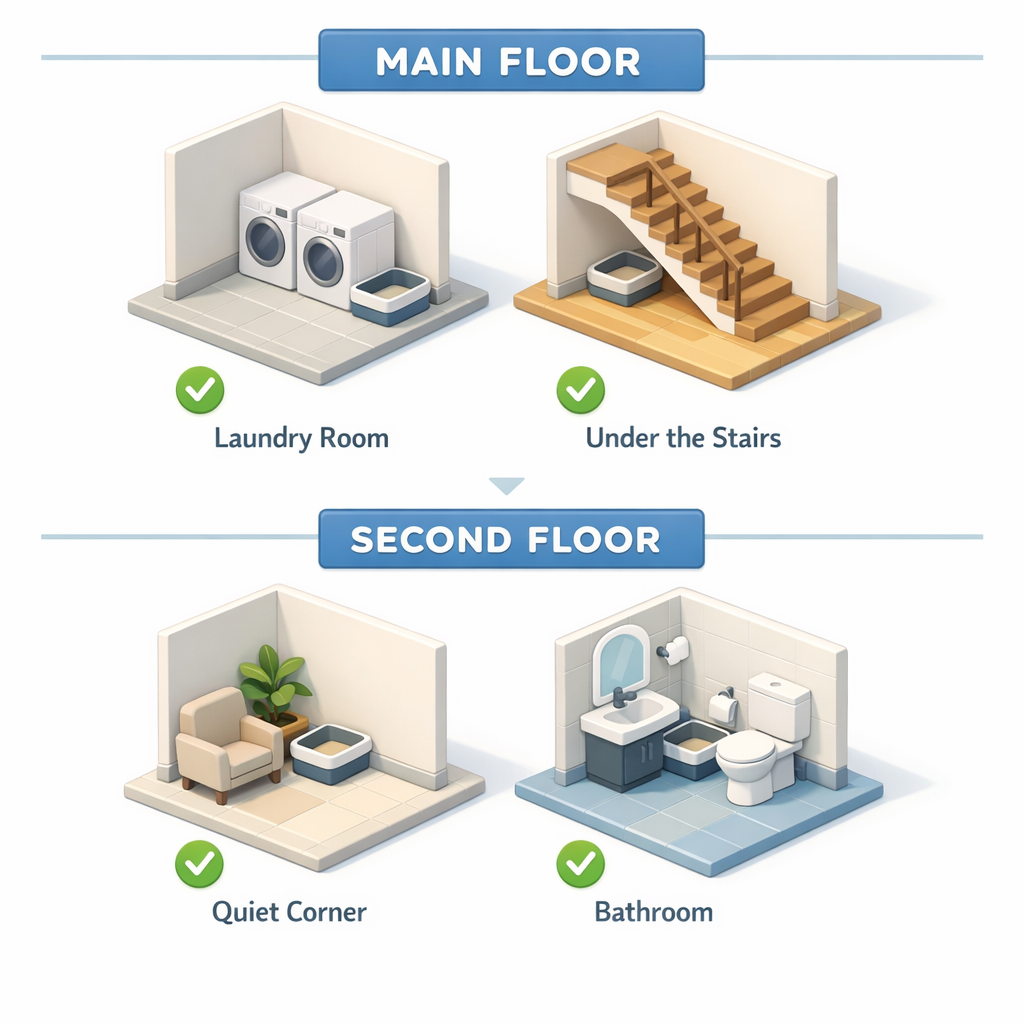
Best locations for a cat litter box
Bathroom
Bathrooms are popular litter box locations because they're easy to clean and already designed for managing messes. Tile or vinyl flooring makes cleanup simpler, and bathrooms typically offer good ventilation.
Ensure your cat can always access the bathroom, even when the door is closed. For this reason, guest bathrooms that see less traffic are ideal options.
Laundry room
Laundry rooms are typically quiet and out of the way, making them suitable for litter boxes. Place the box away from appliances to minimize noise disturbances from washing machines and dryers.
Ensure the room remains accessible at all times and isn't blocked by laundry baskets or closed doors. A litter mat placed under and around the box can help contain scattered litter.
Spare bedroom or home office
A quiet corner of a guest room or home office provides a discreet, peaceful location with less foot traffic. These rooms help cats feel secure while keeping the box accessible.
If using a litter box enclosure, ensure it's easy to access for daily scooping and cleaning. Stylish enclosures can blend into your décor while providing necessary privacy.
Basement
Basements offer seclusion and space but must be easily accessible and safe. Ensure your cat can reach the basement without obstacles, and verify the area is dry, well-lit, and free from dampness or mold.
For unfinished basements, place the box on a washable mat to define the space and simplify cleanup. Ensure adequate lighting so cats feel comfortable using the area, especially at night.
Locations to avoid for litter boxes
Kitchen and dining areas
Never place litter boxes near food preparation or eating areas. This is unsanitary and creates unpleasant odors.
Keeping food and waste areas completely separate is healthier and more hygienic for everyone in the household.
Near food and water bowls
Cats instinctively avoid eliminating near their food and water sources. Placing a litter box near feeding stations can cause your cat to avoid either the food area or the litter box.
Maintain separation between these areas to respect your cat's natural preferences and encourage healthy habits.
High-traffic areas
Busy hallways, entryways, or living rooms can make cats feel exposed and anxious. Constant foot traffic may discourage box use as cats need privacy and security during elimination.
Choose quieter locations where your cat won't be interrupted or startled by household activity.
Near loud appliances
Washing machines, dryers, furnaces, and water heaters can startle cats with unexpected noises or vibrations. If the litter box is too close to these appliances, your cat may avoid it entirely.
Even if your cat initially tolerates the noise, repeated loud sounds can create negative associations with the box. A peaceful environment supports better litter box habits.
Litter box placement for multi-cat households
Multiple cats require multiple litter boxes placed strategically throughout your home. Follow the "one box per cat, plus one extra" rule and distribute boxes across different rooms or floors.
Don't place all boxes side by side. Cats may view clustered boxes as a single territory, which defeats the purpose of having multiple boxes. Spacing them out reduces territorial disputes and ensures each cat has access to a clean, private option.
This distribution also helps you monitor which cat is using which box, making it easier to spot potential health issues early. Read more about the rationale behind having multiple litter boxes.
How to transition to a new litter box location
Gradual relocation method
If you need to move a litter box do it gradually over several days, moving the box incrementally—a few feet per day—until it reaches the new location.. A slow and intentional approach can prevent confusion and stress.
Monitor your cat's response
Watch how your cat reacts to the new location, paying attention to behavioral cues. Avoidance, excessive meowing near the box, or accidents indicate the new location isn't working. If they seem hesitant or start eliminating elsewhere, you may need to reconsider the placement. Keep in mind, some cats adapt quickly, while others need more time, so also take your cat’s unique temperament into consideration.
Creative solutions for small spaces
Litter box furniture
Stylish furniture pieces designed to conceal litter boxes blend into your décor while providing privacy. Look for models with adequate ventilation and easy access for daily scooping and cleaning.
These are ideal for apartments or open-concept homes where space is limited. Ensure your cat is comfortable entering and using the enclosed space before committing to this solution.
Corner placements
Utilizing corners maximizes floor space while providing a defined area for the litter box. Corner boxes are specifically designed to fit snugly into these spaces and often feature higher backs to contain litter.
This approach works well in bathrooms, laundry rooms, or spare bedrooms where corners might otherwise go unused.
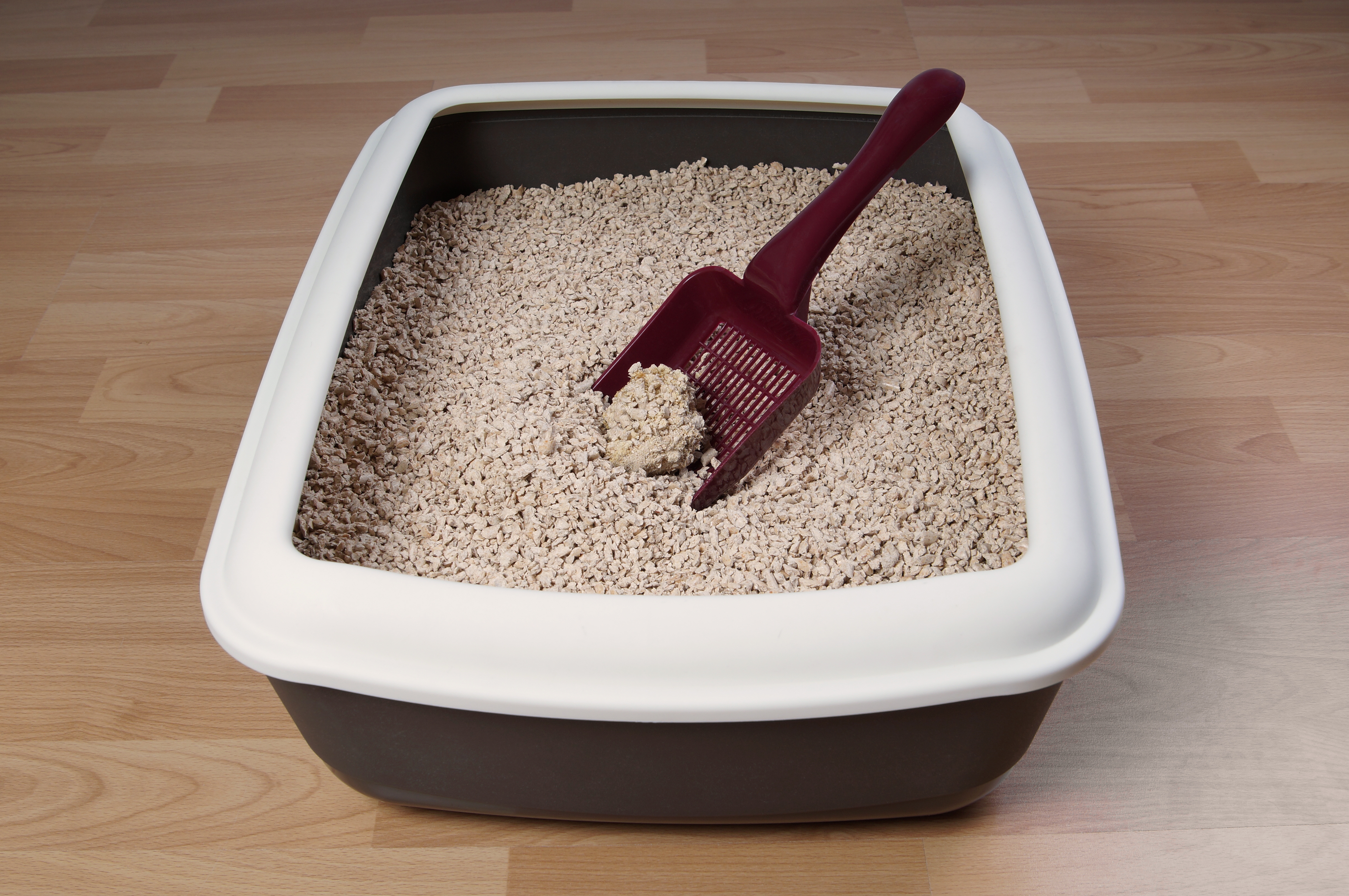
Maintaining litter boxes in your chosen location
Scoop the litter box at least once daily to keep it fresh and encourage consistent use. Perform complete litter changes every two to three weeks for clumping litter with one cat, or every one to two weeks for multiple cats.
Clean the area around the box regularly, including wiping down walls, baseboards, and floors to prevent odor buildup. It is easier to clean around a litter box placed on hard flooring than one positioned on carpet. Regardless of floor type, you may opt to use a litter mat to catch scattered granules and reduce tracking throughout your home.
Good ventilation combined with consistent cleaning creates the most effective odor control. If you notice persistent smells despite regular maintenance, the location may need better airflow or the box may need more frequent changes.
Frequently asked questions
Where should you not put a cat litter box?
Avoid placing litter boxes in kitchens, dining areas, high-traffic hallways, near food and water bowls, close to loud appliances, or in cramped spaces without ventilation. These locations can cause stress, litter box avoidance, and hygiene issues.
Can you put a litter box in your bedroom?
You can place a litter box in a bedroom if it's the best accessible location for your cat, but it’s important to ensure adequate ventilation and commit to daily scooping for everyone’s comfort and health. Infrequently used guest rooms or home offices are preferable to primary sleeping areas due to traffic volume as well as potential odors and dust.
How far should a litter box be from food?
Place litter boxes far away from food and water bowls, ideally in a different room. Cats instinctively avoid eliminating near their food sources, and close proximity can lead to avoidance of either the box or the feeding area.
Should litter boxes be in different rooms?
For multi-cat households, yes. Distributing litter boxes across different rooms or floors reduces territorial conflicts and ensures each cat has access to multiple clean options. Even for single cats, having two boxes in separate locations provides backup options. Read our article on deciding the right number of litter boxes for your household.
Can you put a litter box in a closet?
You can place a litter box in a closet if the door remains open at all times, the space has adequate ventilation, and your cat can easily access it. However, most closets lack sufficient airflow, making them less-than-ideal locations for odor control.
Is it okay to move a cat's litter box?
Yes, but move it gradually over several days rather than all at once. Sudden changes can cause confusion and accidents. You may want to move it a few feet at a time over the span of several days to help your cat get used to the change.
How do you hide a litter box in plain sight?
Use litter box furniture designed to look like cabinets, benches, or side tables. These enclosures conceal the box while providing necessary access and ventilation. Alternatively, use decorative screens or place the box in a corner with plants or furniture creating a natural visual barrier.
This is a carousel. Use the Next and Previous buttons to navigate between slides, or use the scrollbar to scroll through content.